
This month, Todd Harvey gives us the low-down on his experience with growing Ludisia discolor, commonly known as the Jewel Orchid
The rest of this content is only visible to members
If you are want to join the IOS you can do so online via this website, standard membership is only €20 per year. Click this link to go to the membership page
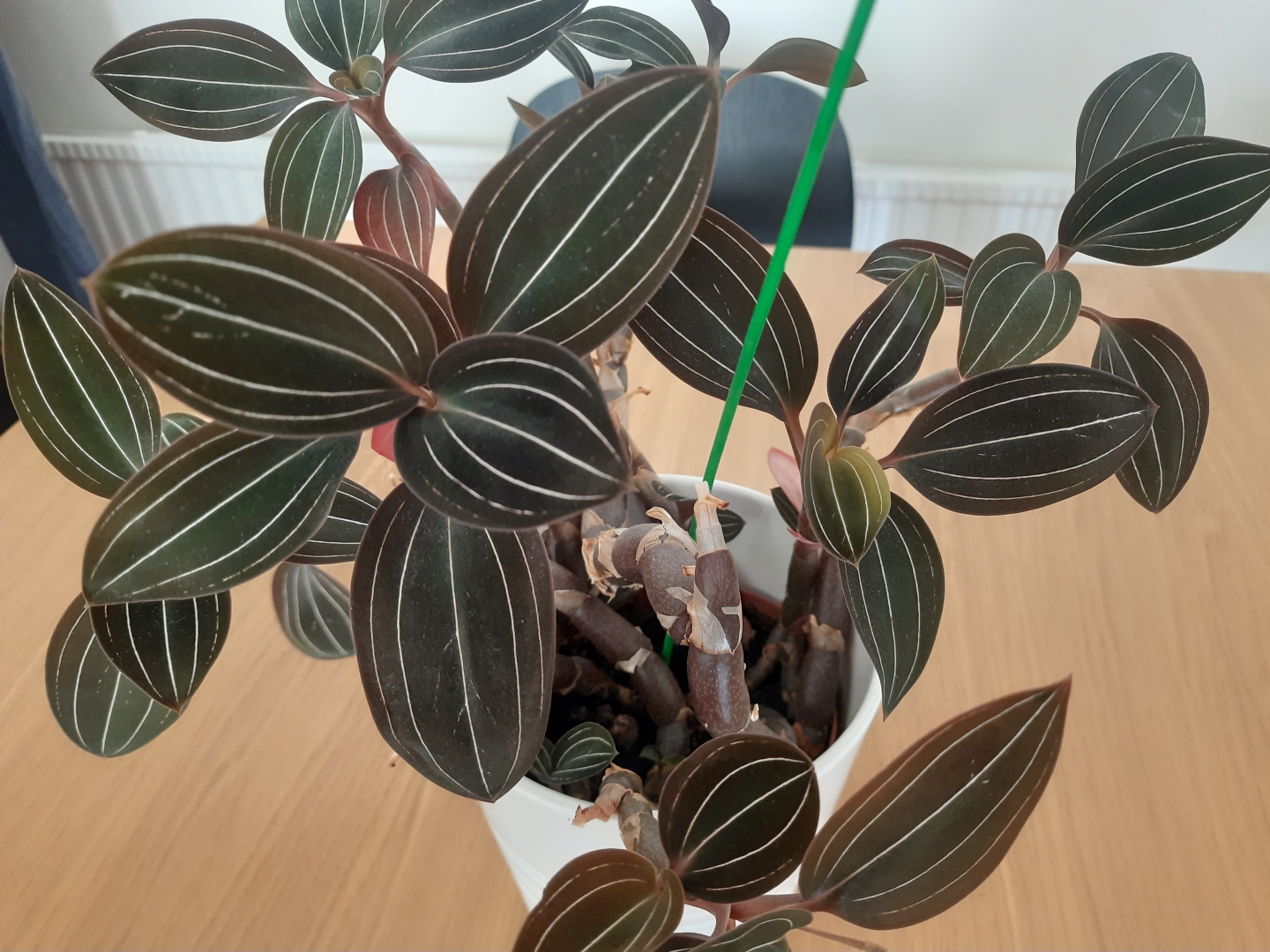
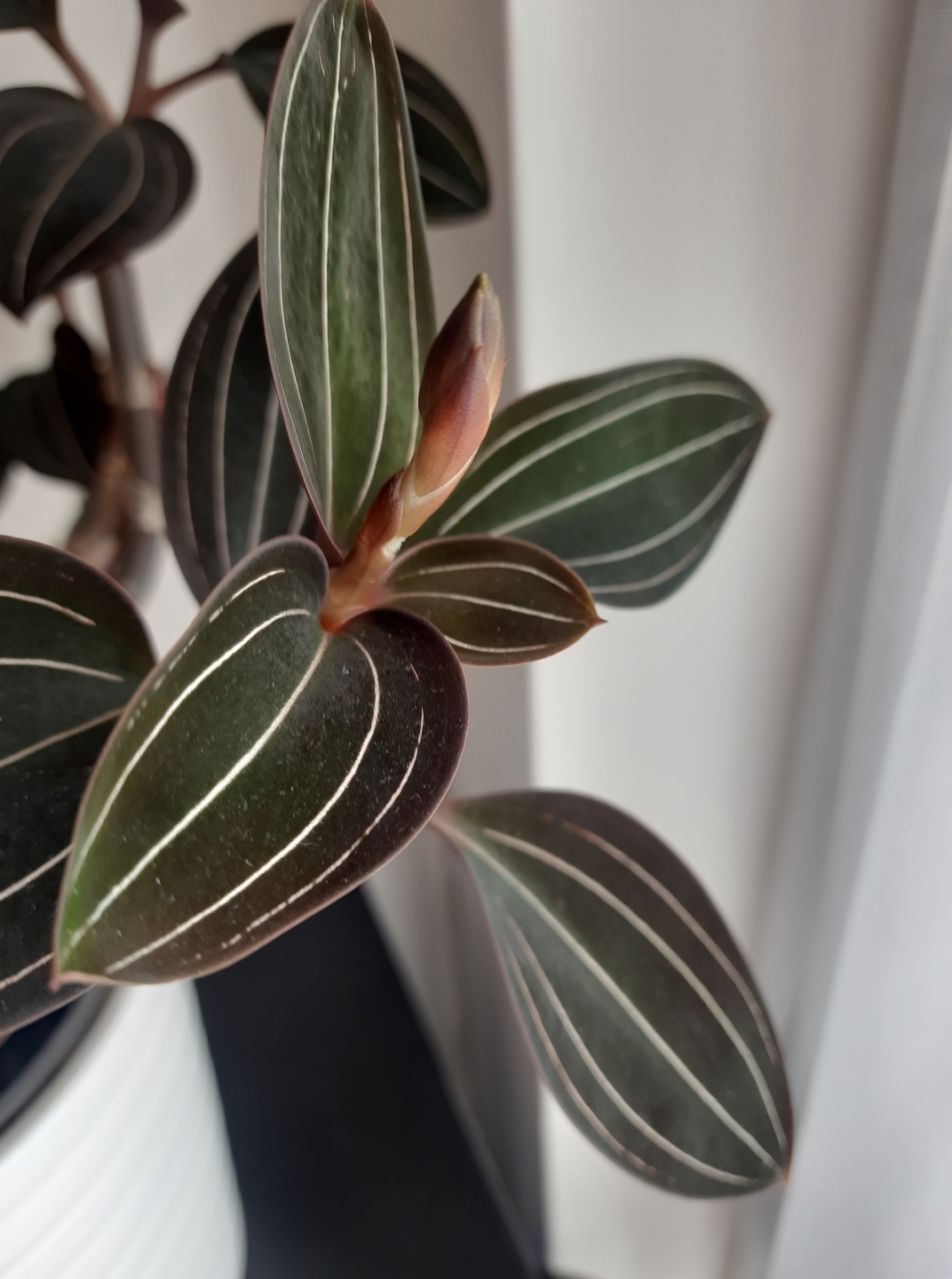
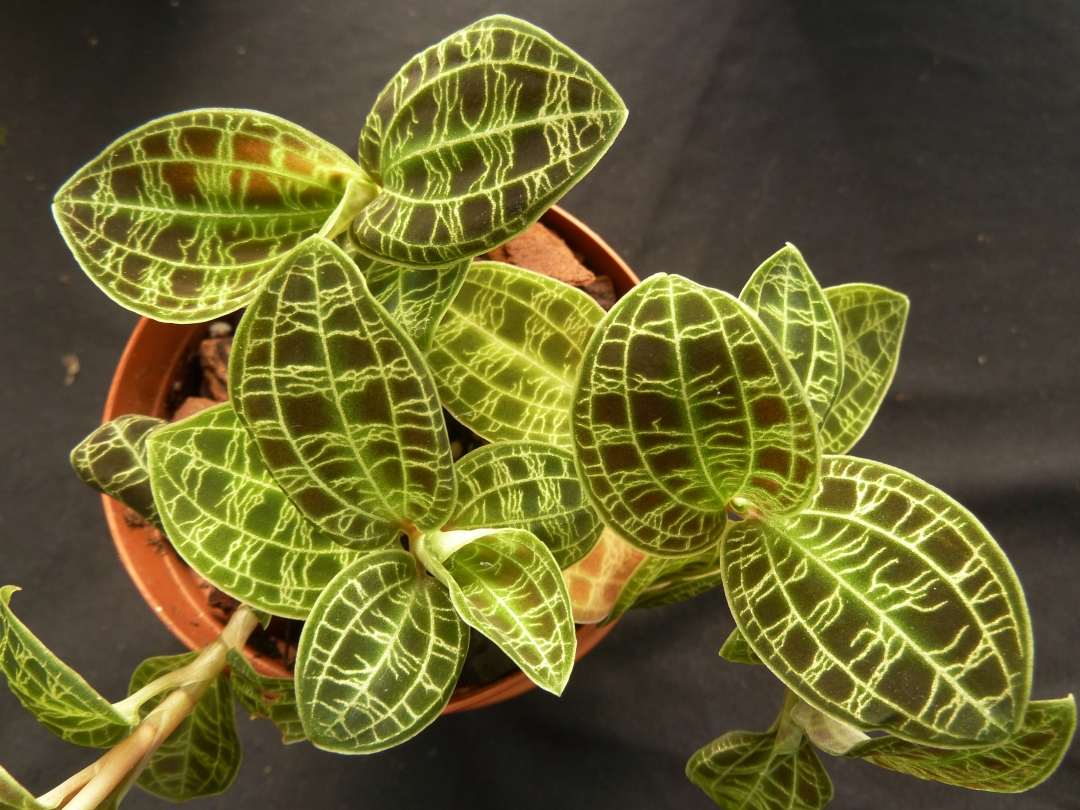
Ludisia is an easy orchid species to grow and bloom. The more common type you come across is Ludisia discolor, referred to as the ‘jewel orchid’. Even when not in bloom they are a handsome plant.
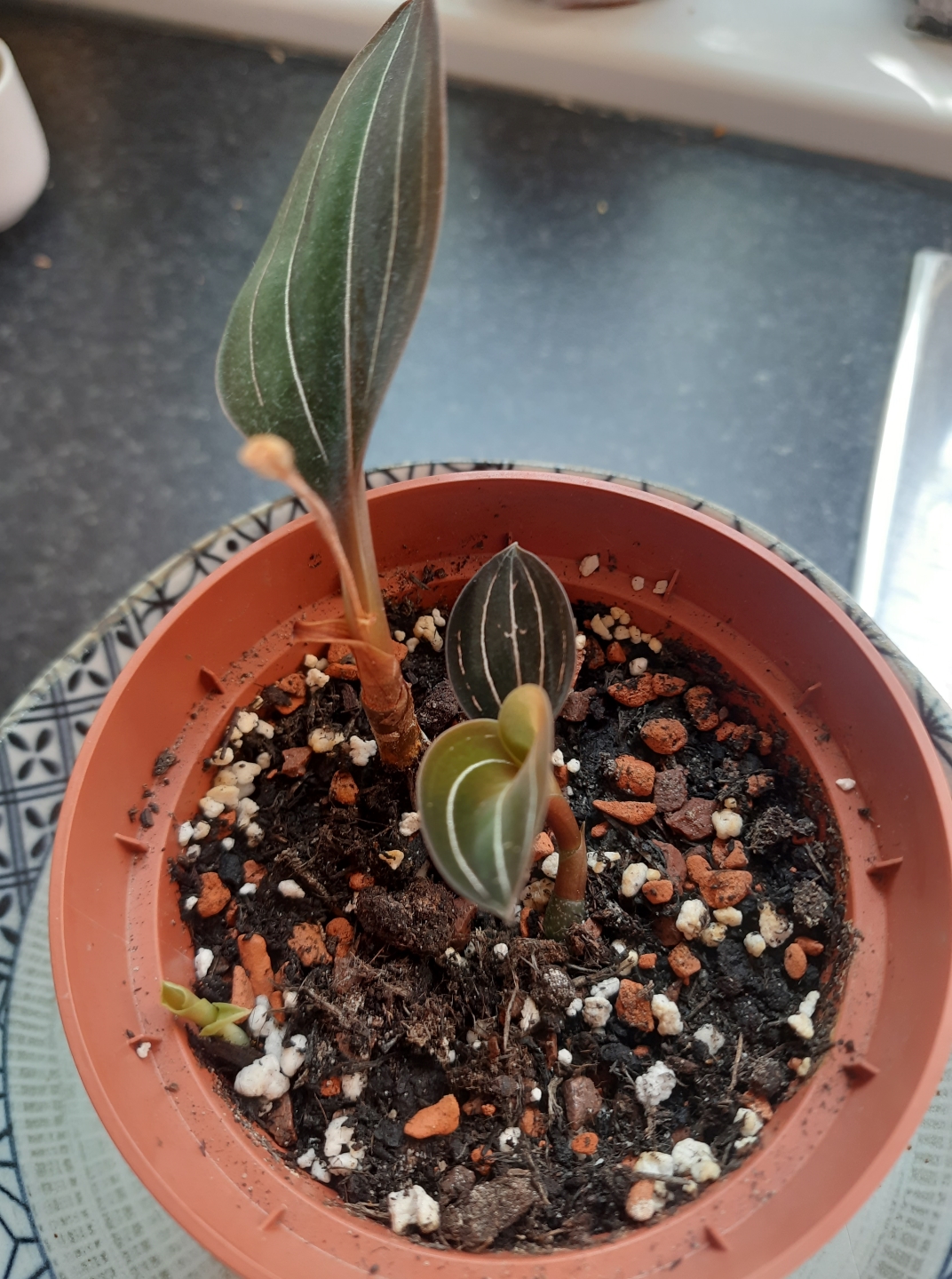
I acquired mine at an IOS meeting a few years ago and it has since filled two pots with growth.
Somewhere along the line a piece broke off, which I re-potted. Both of these plants bloom every year during the winter months. You can propagate ludisia by placing a stem cutting with a leaf in water until it develops roots, then pot on.
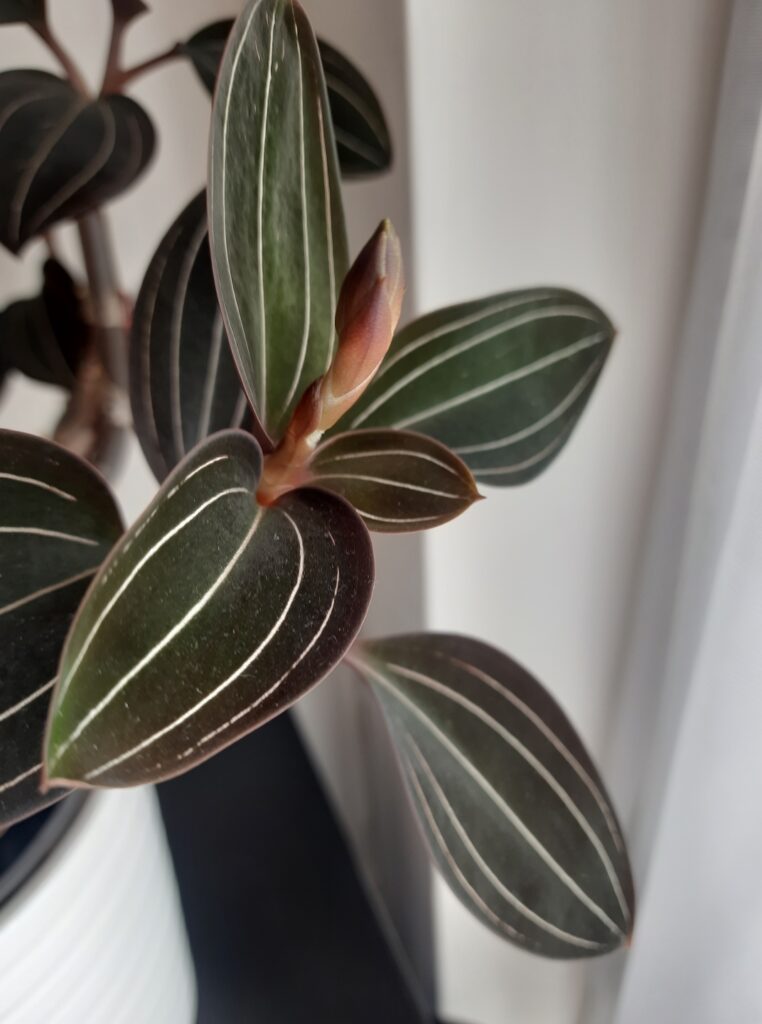
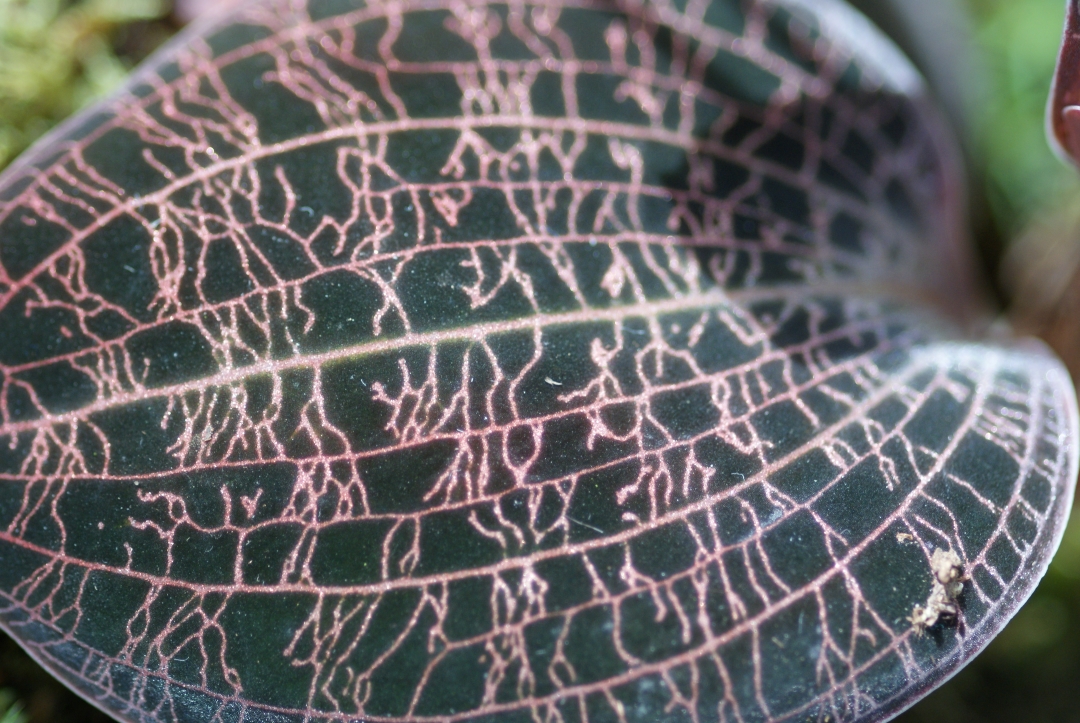
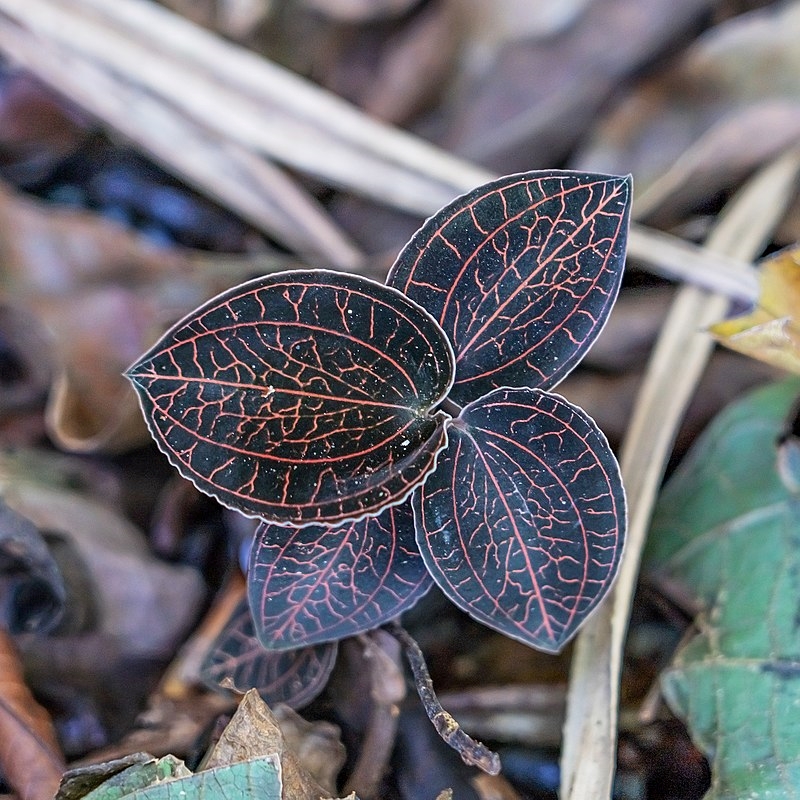
Ludisia have attractive dark green velvety leaves with distinctive fine yellow veining. It is a terrestrial orchid which should be planted in free-draining media. A 50/50 potting soil and bark mix is recommended.
They should be watered once a week or when the surface dries it’s time to water again. Allow water to drain off after soaking. Don’t let ludisia dry out completely as they like humid conditions.
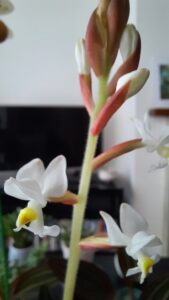
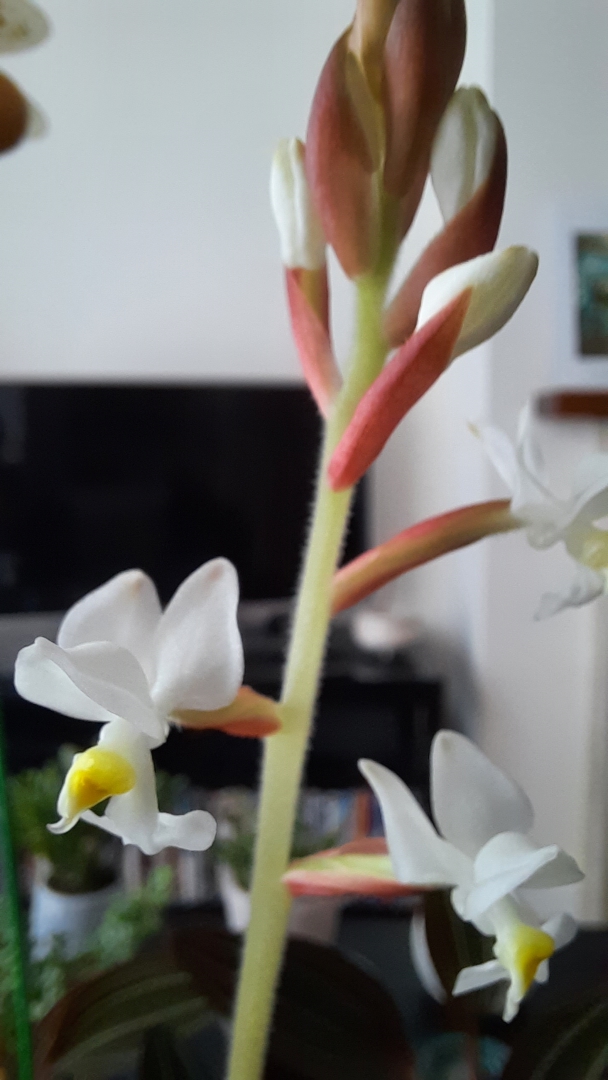
Inflorescences emerge from new shoots generally in the autumn and are up to 30cm long with 20 or 30 1.5cm twisty white flowers with a yellow centre. They last 4 weeks or more.
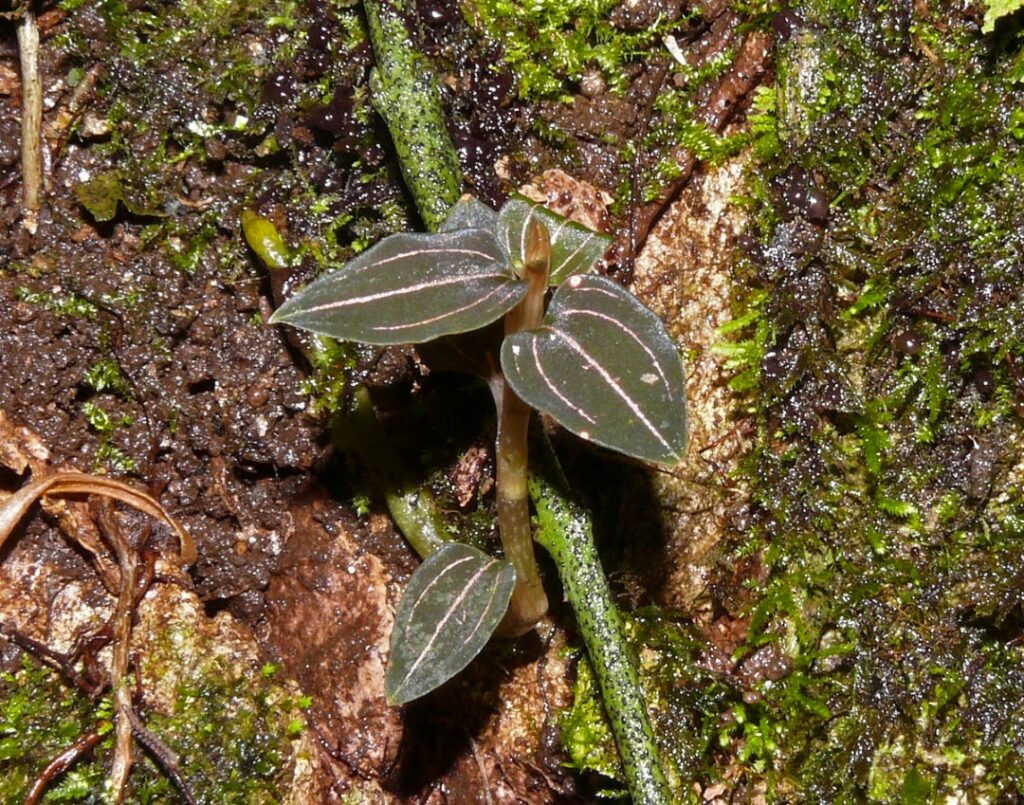
Their natural habitat is in shady humid forests in south eastern Asia.
At home I recommend growing this plant in a bright spot, without direct sunshine. Low to medium light is best. Leaves should be a dark green. If they start to turn a pale red then it is getting too much light.
Growth is fairly vigorous and your ludisia will quickly fill whatever pot you put it in. It sends out shoots under the surface which emerge as fleshy stems. Fertilise with orchid feed every 2-4 weeks.
Ludisia discolor is a worthwhile addition to any collection, especially for its showy leaves.
Todd Harvey, Dublin 2023
A little more about Jewel Orchids
Ludisia was thought to be a mono-typic genus since its discovery in the first half of the 19th C. In 2013 a new species was described, L. ravanii, collected from the Philippines.
Ludisia discolor is native to Southern China, Northeast India, Thailand, Vietnam, the Philippines, Malaysia, Indonesia and Myanmar, and is often cultivated.
There are two known variants of L. discolor: L.discolor ‘Alba’, an albino variant and L. discolor ‘Nigrescens’, a sport often called “Black Velvet”.
L. discolor has been hybridised with other genus that belong to the Jewel Orchid alliance.
I love Jewel orchids.
Should I cut the flower spikes when the flowers have died.?
Carmel